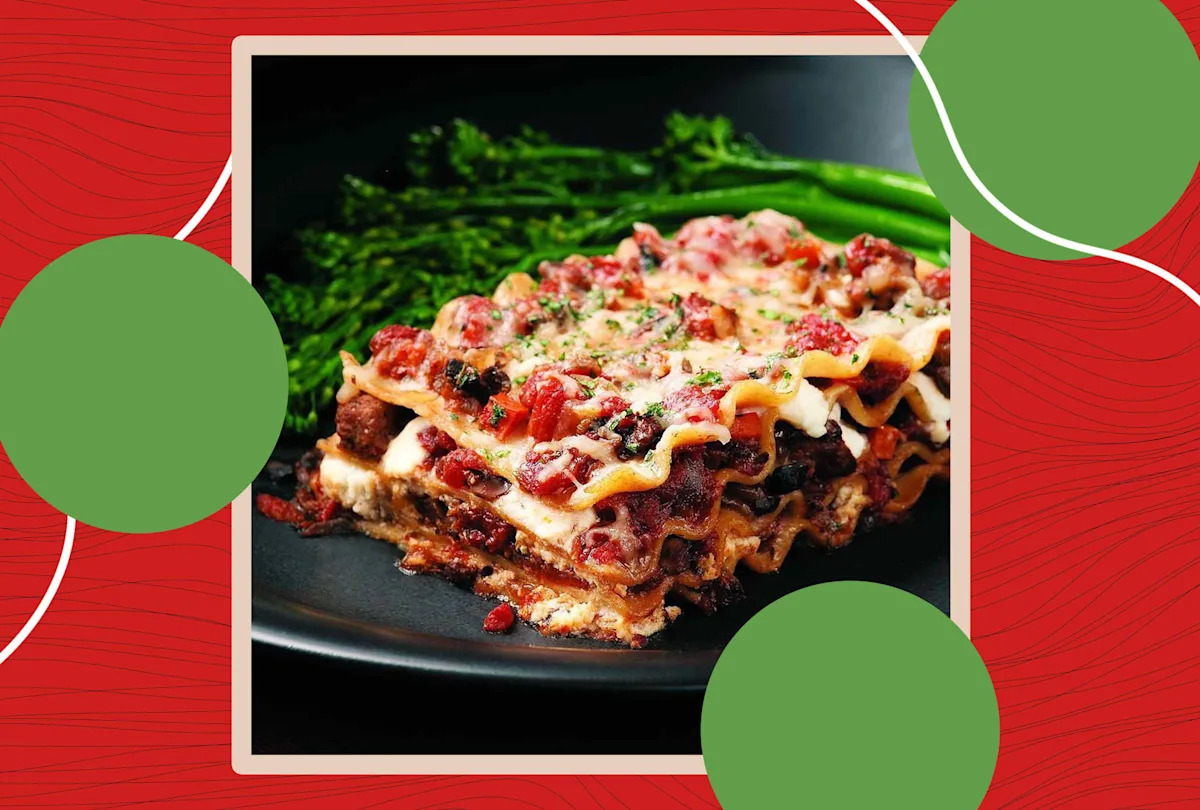
Unlock the Secret: Crafting the Best Lasagna with Bolognese & Besciamella
There are dishes, and then there are legends. Lasagna, in its purest, most authentic form, falls squarely into the latter category. Far more than just layered pasta, it's a heartfelt symphony of flavors, a testament to culinary patience, and an undisputed champion of comfort food. But what truly elevates a good lasagna to the realm of the best lasagna? The secret lies in a meticulous dance between two foundational sauces: a slow-cooked, deeply flavorful Ragù Bolognese and a velvety, creamy Besciamella. This article will guide you through the journey of mastering these elements, ensuring every bite of your homemade lasagna is an unforgettable experience, steeped in true Italian tradition.
The Heart of the Matter: Mastering Your Ragù Bolognese
The soul of any authentic Italian lasagna with meat is its Ragù Bolognese. This isn't just a simple meat sauce; it's a complex, slow-simmered marvel that develops incredible depth of flavor over hours. Skimping on this step is like building a grand opera house with flimsy foundations – it simply won't stand up to scrutiny.
- The Perfect Meat Blend: For the truly best lasagna, a mix of ground beef and pork is paramount. Beef offers that robust, savory foundation, while pork contributes a delightful sweetness and juiciness that rounds out the flavor profile. For an unparalleled taste, seek out high-quality, grass-fed beef and free-range pork. If pork isn't an option, a pure beef ragù can still be delicious, but the beef-pork combination truly shines.
- The Aromatics (Soffritto): Every great Italian sauce begins with a soffritto – a finely diced mixture of onion, carrot, and celery. Sauté these gently in olive oil until soft and translucent, forming the aromatic bedrock upon which your ragù will build.
- Deglazing for Depth: Once your meat is browned and your soffritto is fragrant, a crucial step often overlooked is deglazing. A splash of dry red wine (or white, if you prefer a lighter touch) adds another layer of complexity, lifting all those flavorful browned bits from the bottom of the pan.
- Tomato Quality Matters: While the ragù is meat-centric, the tomatoes play a vital supporting role. Opt for high-quality canned San Marzano tomatoes or passata (strained tomatoes) without added preservatives. Their natural sweetness and balanced acidity will complement the rich meat without overpowering it.
- The Art of Simmering: Patience is your greatest ally here. After combining all ingredients, the ragù needs to simmer gently for at least 2-3 hours, or even longer. This slow cooking allows the flavors to meld and deepen, the meat to become incredibly tender, and the sauce to achieve its signature richness and thickness. A classic Bolognese often includes a touch of milk at some point during the simmer, which helps tenderize the meat and adds a subtle sweetness.
Pro Tip: Prepare your Ragù Bolognese a day in advance. The flavors will deepen and develop further as it rests, making your Mama's Authentic Lasagna: Secrets to Rich Ragù & Creamy Besciamella even more extraordinary.
The Creamy Embrace: Crafting the Perfect Besciamella
While the ragù provides the savory anchor, the Besciamella sauce is the creamy, indulgent counterpoint that binds everything together. Unlike ricotta-based lasagnas, the Besciamella offers a smoother, more elegant texture, contributing significantly to what makes an authentic Italian lasagna so special.
- The Foundation: A Classic Roux: Besciamella begins with a roux – equal parts butter and flour cooked together until smooth and lightly golden. This forms the thickening agent for your sauce.
- Gradual Milk Addition: Gradually whisk in warm milk, a little at a time, ensuring each addition is fully incorporated before adding more. This technique is key to preventing lumps and achieving a silky-smooth sauce. Whole-milk is highly recommended for its richness and flavor, contributing to the ultimate creamy texture of your best lasagna.
- Seasoning and Flavor: Once thickened, season your besciamella with salt, white pepper, and a crucial pinch of freshly grated nutmeg. The nutmeg adds a subtle, warm aroma that is classic in Italian white sauces. For a parmesan besciamella, stir in freshly grated Parmigiano-Reggiano at the end, allowing it to melt into the hot sauce, imparting a salty, nutty depth.
- Achieving the Right Consistency: Your besciamella should be thick enough to coat the back of a spoon but still pourable. If it's too thick, add a little more warm milk; if too thin, gently simmer and whisk until it reaches the desired consistency.
Chef's Insight: The delicate, milky flavor of besciamella beautifully balances the robust richness of the ragù, creating a harmonious palate experience that is the hallmark of the best lasagna recipes.
Layer by Layer: Assembling Your Masterpiece
With your ragù and besciamella perfected, the final act is the assembly – a rhythmic layering that builds anticipation for the grand reveal. The right technique here ensures structural integrity and a balanced flavor in every slice.
- Choosing Your Pasta: Fresh pasta sheets are often preferred for their tender texture and ability to absorb flavors. If using dried lasagna sheets, check if they are "no-boil" or require pre-boiling. For traditional non-no-boil sheets, cook them briefly until al dente, then cool them in ice water to prevent sticking.
- The Cheese Factor: Quality cheese is non-negotiable. Fresh mozzarella, ideally whole-milk or even buffalo mozzarella, provides that luscious, gooey melt. Layered with generous amounts of freshly grated Parmigiano-Reggiano, you achieve both creamy stretch and sharp, salty complexity.
- The Layering Sequence: While variations exist, a common and effective sequence for a truly great lasagna is:
- A thin layer of ragù or besciamella on the bottom of the baking dish to prevent sticking and add moisture.
- A layer of pasta sheets.
- A generous spread of Ragù Bolognese.
- A dollop or pour of Besciamella sauce.
- A sprinkling of grated mozzarella and Parmigiano-Reggiano.
- Repeat these layers until your dish is full, ensuring the top layer consists of besciamella and a generous amount of cheese for a golden, bubbly crust.
- Baking to Perfection: Cover the lasagna with foil for the initial baking phase (around 30-40 minutes) to ensure the pasta cooks evenly and the sauces meld without drying out. Then, remove the foil for the final 15-20 minutes to allow the cheese on top to melt, bubble, and turn golden brown.
- The Crucial Resting Period: This is perhaps the most overlooked step. After baking, allow your lasagna to rest for at least 15-20 minutes before slicing and serving. This allows the layers to set, preventing a messy collapse and ensuring neat, beautiful portions.
Beyond the Basics: Tips for Lasagna Perfection & Dietary Adaptations
Crafting the best lasagna is an art, but it's also wonderfully adaptable. Here are a few extra tips and considerations to make your creation truly unforgettable, catering to various needs and preferences.
- Make-Ahead Magic: Lasagna is an ideal make-ahead dish. Assemble it completely, cover tightly, and refrigerate for up to 24 hours before baking. You can also freeze unbaked lasagna for longer storage – just be sure to thaw it overnight in the fridge before baking, or add extra baking time if baking from frozen.
- Serving Suggestions: While the reference suggests Sausage Gnocchi Soup, for the ultimate complement to your rich lasagna, consider a simple, crisp green salad with a light vinaigrette to cut through the richness, or some crusty artisanal bread to sop up any delicious sauce.
- Dietary Adaptations for Everyone:
- Vegetarian Lasagna: Substitute the meat ragù with a rich mushroom and lentil Bolognese or a robust vegetable ragù.
- Vegan Lasagna: Use plant-based mince for the ragù, craft a besciamella with plant-based milk and butter (a cashew cream besciamella is excellent), and opt for high-quality vegan mozzarella and parmesan alternatives.
- Gluten-Free Lasagna: Excellent gluten-free lasagna pasta sheets are widely available, allowing everyone to enjoy this classic dish.
- Lactose-Intolerant: Use lactose-free milk for your besciamella and select naturally lactose-free hard cheeses like Parmigiano-Reggiano (which contains negligible lactose) or specific lactose-free mozzarella products.
- Embrace the "Labor of Love": From the slow simmer of the ragù to the careful layering, making lasagna is an immersive experience. Enjoy the process, taste each component as you go, and allow yourself to savor the creation of something truly special. This connection to the process is part of what makes it the Ultimate Best Lasagna: A Guide to Unforgettable Italian Comfort.
Creating the best lasagna is a culinary journey that rewards patience, quality ingredients, and a touch of passion. By mastering the art of the slow-cooked Ragù Bolognese and the silky Besciamella, you unlock the secrets to an authentic Italian masterpiece. Each layer tells a story of tradition, flavor, and comfort, promising a dish that will not only satisfy hungry bellies but also warm the heart. So roll up your sleeves, gather your ingredients, and embark on your own quest to craft a lasagna that will be remembered and requested for years to come. Buon appetito!
